Products Service Sustainability Careers Contact
Sustainability

Risks and responsibility

Our annual risk assessment per country and supplier, the regions where we produce and the risk areas we focus on.

01

Our Most Significant Supply Chain Risks

Kessels B.V. is a Dutch textile company working exclusively with independent manufacturing partners. We do not own or operate manufacturing facilities. Our main sourcing countries are China and Pakistan.

We identify and prioritise human rights, environmental and business integrity risks through a structured supply chain risk assessment. This assessment considers country-specific conditions, materials, manufacturing processes, our purchasing practices, the severity and likelihood of potential adverse impacts and existing preventive measures.

Our main priority areas include:

Pakistan

  • Freedom of association and collective bargaining.
  • Statutory minimum wages and living wages.
  • Working conditions, occupational health and safety, and prevention of discrimination.
  • Environmental and chemical risks associated with textile manufacturing and wet processing.

China

  • Working hours and overtime.
  • Freedom of association and collective bargaining.
  • Living wages.
  • Occupational health and safety.
  • Chemical management and environmental impacts associated with textile manufacturing and wet processing.

Other risks, including child labour, forced labour and discrimination, remain part of our ongoing risk assessment even where they are not among the highest-priority risks.

How we identify vulnerable workers and stakeholders and take their specific needs into account is described in our Kessels B.V. Policy, section 05: Vulnerable Workers and Stakeholders.

02

Our regions

The products we source are made by independent manufacturers in areas where we are closely involved in the production process. We have transparently mapped our entire supply chain in order to gain insight into the origin of our materials and the working conditions in:

  • China: in the provinces of Zhejiang, Shandong, Anhui, Jiangsu and Hebei.
  • Pakistan: in the provinces of Punjab and Sindh.

We identify risks not only on the basis of data and audit reports, but through frequent on-site visits by our management and intensive cooperation with the production sites of our manufacturers.

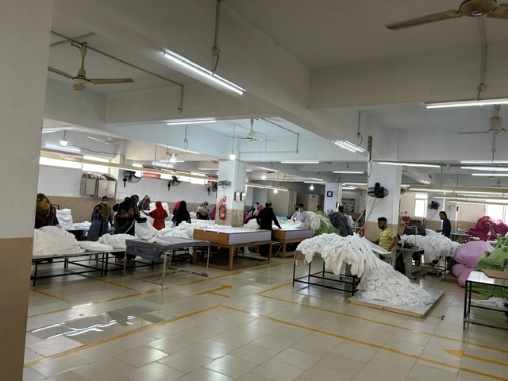
Werkvloer van een textielproductielocatie met medewerkers aan inspectietafels
Production site of one of our manufacturers. We visit our partners on location regularly.
03

How We Address These Risks

Kessels applies risk-based due diligence through supplier selection and assessment, available audit information, regular supplier dialogue, reviews of our own purchasing practices and follow-up of identified shortcomings.

We discuss relevant risks and improvement measures with manufacturers and, where applicable, wet-processing facilities and intermediaries. We also assess available grievance mechanisms and discuss improvements where gaps are identified.

We review our risk assessment periodically and whenever relevant changes, incidents, grievances or new information arise.

04

Our Risk Assessment Methodology

Kessels carries out a structured risk assessment of the textile supply chains in which we operate, primarily in China and Pakistan. We follow a risk-based due diligence approach aligned with the OECD Guidelines.

Information Sources

Our assessment uses available information relating to:

  • Country and textile-sector risks.
  • Suppliers and production locations.
  • Products, materials and manufacturing processes.
  • Available audit reports, including amfori BSCI information.
  • Our own business and purchasing model.
  • Information obtained through supplier dialogue.
  • Relevant complaints, incidents and other available information.

Risk Assessment and Prioritisation

We assess the likelihood and potential severity of adverse impacts. This includes considering the scale, scope and potentially irreversible nature of harm, the influence of our purchasing practices and existing preventive measures.

The results are documented in our risk assessment and form the basis for identifying our most significant risks.

Stakeholder Involvement

Within Kessels, management and purchasing personnel contribute information on suppliers, purchasing practices and operational risks.

We also gather relevant information from suppliers, manufacturers and intermediaries. Where feasible, we seek input from workers, their representatives or other relevant external stakeholders.

We recognise that the availability of information and opportunities for direct engagement may vary between production locations. Where information is incomplete, we record the gaps and seek further verification.

From Risk Assessment to Action

The results inform our supplier dialogue, preventive measures, grievance-mechanism assessments and follow-up of improvement actions.

We review our risk assessment periodically and whenever relevant new information or supply-chain changes arise.
05

Our commitment for the future

Kessels B.V. strives to minimise the impact of the risks mentioned throughout the entire supply chain. We remain fully committed to safeguarding working conditions and to fulfilling our social responsibility. Through a careful purchasing policy and close contact with our business partners, we work step by step towards a more sustainable and responsible production chain, focusing on continuous improvement and transparency.

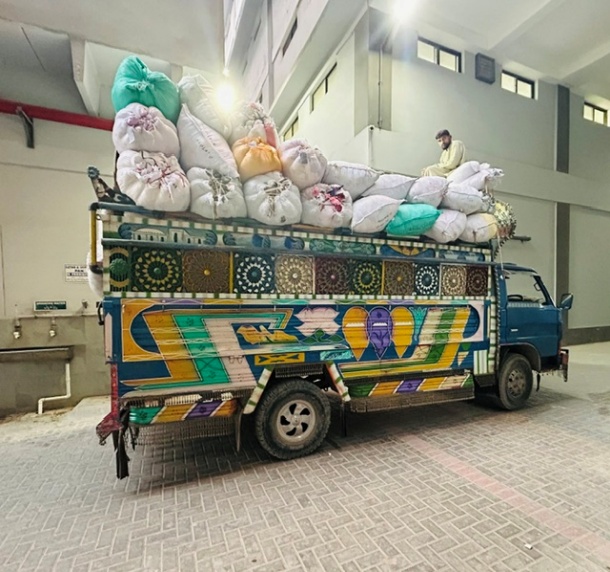
Beladen vrachtwagen met textielbalen bij een productielocatie in Pakistan
Transport at a production site in Pakistan.